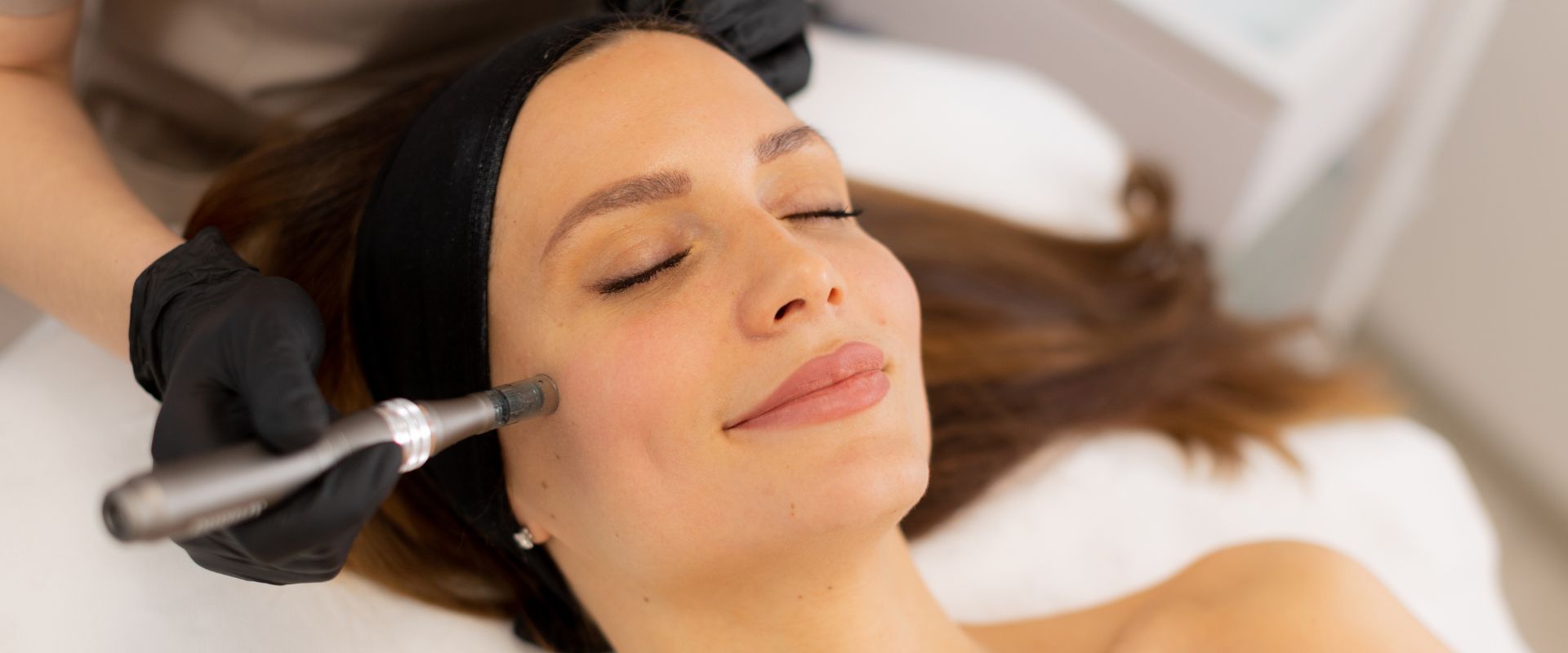
Why aesthetic skills for healthcare professionals Australia are evolving rapidly
The field of aesthetic medicine continues to expand across Australia as more patients seek minimally invasive treatments that improve skin quality, facial harmony and overall confidence. As demand grows, the need for well-trained clinicians with advanced aesthetic skills for healthcare professionals Australia has become increasingly important.
For registered nurses and doctors entering aesthetic medicine, success depends on more than technical injection ability. Practitioners must develop strong foundations in anatomy, patient consultation, safety protocols and ethical practice.
Healthcare professionals who invest in structured training programmes gain the confidence to deliver safe, natural-looking results while maintaining compliance with Australian Health Practitioner Regulation Agency (AHPRA) standards.
This article explores the most valuable aesthetic skills clinicians in Australia should develop as the industry continues to evolve.
Understanding anatomy and facial physiology
A thorough understanding of facial anatomy is the cornerstone of safe aesthetic practice. Cosmetic injectable treatments involve working around complex vascular networks, muscles and connective tissue structures.
Clinicians must understand how facial ageing affects bone structure, fat compartments and skin elasticity. Age-related changes in these structures influence how aesthetic treatments should be planned and delivered.
Training programmes often focus on anatomical landmarks, danger zones and safe injection planes to reduce the risk of complications.
Foundational training such as the Combined Foundation & Advanced Training provides clinicians with the essential anatomical knowledge required to begin practising aesthetic medicine.
Key takeaway: Strong anatomical knowledge is essential for delivering precise and safe cosmetic injectable treatments.
Advanced patient consultation and assessment
Another critical skill for clinicians working in aesthetics is patient consultation. Successful treatment outcomes depend on accurate assessment, clear communication and realistic expectation setting.
Consultations typically involve evaluating facial proportions, skin quality and underlying structural support. Clinicians must also consider medical history, contraindications and psychological suitability for treatment.
Effective consultations also help patients understand the gradual nature of aesthetic treatments and the importance of long-term treatment planning.
Key takeaway: A detailed consultation ensures treatments are both safe and aligned with patient goals.
Technical precision in cosmetic injectable procedures
Technical skill remains one of the most in-demand abilities for clinicians entering aesthetic medicine. Cosmetic injectable treatments require precise placement of products within specific tissue planes to achieve natural results.
Practitioners must develop strong hand control, depth awareness and spatial understanding when delivering treatments.
Hands-on training with live models allows healthcare professionals to practise techniques under expert supervision. This approach improves practitioner confidence and ensures treatments are delivered safely.
Key takeaway: Technical competence is developed through supervised practice and ongoing education.
Managing complications and prioritising patient safety
Patient safety is central to aesthetic medicine. Although cosmetic injectable treatments are generally safe when performed correctly, clinicians must be prepared to recognise and manage potential complications.
Examples of complications include vascular compromise, infection or delayed inflammatory reactions. Early recognition and appropriate response are essential for protecting patient wellbeing.
Training programmes therefore emphasise complication prevention, recognition and management protocols.
Key takeaway: Safe aesthetic practice requires both prevention strategies and emergency preparedness.
Ethical marketing and professional communication
In addition to clinical expertise, practitioners must develop strong professional communication and ethical marketing skills. AHPRA guidelines emphasise responsible advertising and accurate representation of treatments.
Clinics must avoid misleading claims or unrealistic promises about aesthetic results. Instead, marketing should focus on education, transparency and patient safety.
Practitioners who communicate clearly and ethically build stronger patient relationships and long-term trust.
Key takeaway: Ethical communication strengthens clinic reputation and patient confidence.
Advanced qualifications and career progression
As the aesthetics industry continues to grow, many clinicians choose to pursue advanced qualifications to deepen their expertise.
Structured postgraduate training can provide a more comprehensive understanding of facial aesthetics, complication management and advanced treatment planning.
The Level 7 Diploma in Injectables for Clinical Aesthetic Therapies is designed for practitioners seeking a higher level of academic and clinical training in aesthetic medicine.
Clinicians can also explore structured learning pathways and programme options through the training packages available within the Level 7 programme.
Key takeaway: Advanced qualifications support long-term career development and clinical expertise.
Who can train in aesthetics in Australia?
Aesthetic medicine in Australia is primarily practised by regulated healthcare professionals. Eligible practitioners typically include doctors, registered nurses and nurse practitioners.
These professionals must complete recognised training and comply with AHPRA guidelines when performing cosmetic injectable treatments.
Eligibility requirements for aesthetic training can be reviewed on the Who We Train page.
Key takeaway: Aesthetic treatments should only be delivered by qualified healthcare professionals operating within regulatory guidelines.
Conclusion
The demand for qualified clinicians with advanced aesthetic skills for healthcare professionals Australia continues to grow as more patients seek safe and effective non-surgical treatments.
Healthcare professionals who develop strong foundations in anatomy, consultation, technical precision and patient safety will be best positioned to succeed in this evolving field.
By investing in accredited training programmes and maintaining ethical clinical practice, nurses and doctors can build successful careers within Australia’s expanding aesthetics industry.
View our courses or talk to our team to find out more about training courses.