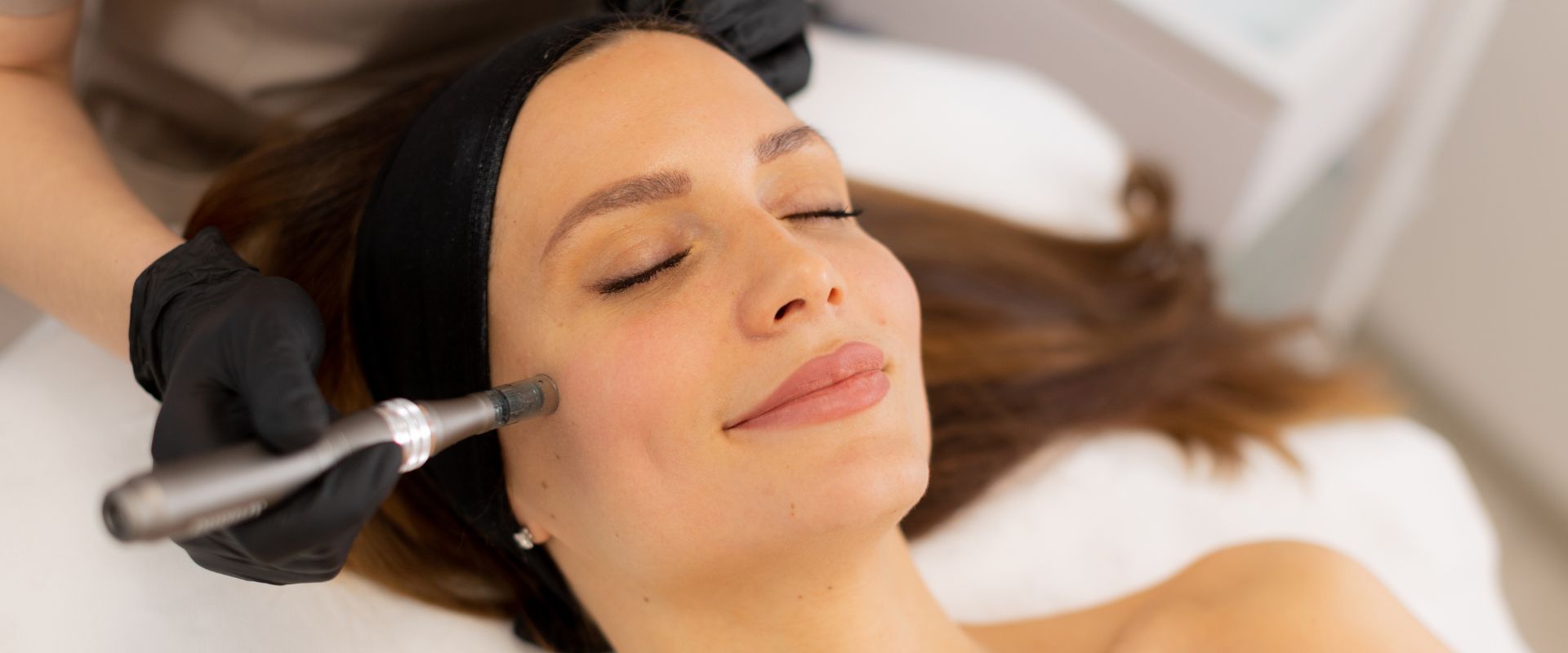
A practical guide to choosing a nurse injector course in Sydney that aligns with AHPRA
Sydney is one of Australia’s busiest markets for aesthetic medicine, and demand for anti-wrinkle injections continues to grow. At the same time, regulatory expectations are tightening, especially around prescribing, advertising, and clinical governance. If you are considering a nurse injector course Sydney practitioners trust, the most important first step is understanding what AHPRA expects from nurse injectors and how to train in a way that protects your patients and your registration.
This guide explains the key AHPRA standards for nurse injectors in New South Wales, why hands-on training matters, how prescribing pathways work, and how to choose a course that prepares you for real clinical practice.
What AHPRA expects from nurse injectors
AHPRA does not issue a separate “aesthetics licence”. Instead, it regulates practice through professional standards, scope of practice, and the expectation that you only perform procedures you are educated, trained, and competent to deliver.
For nurse injectors, the essentials are clear. You must be able to demonstrate:
• appropriate training (including complication prevention and management)
• safe patient assessment and consent
• accurate documentation and aftercare
• lawful prescribing and medicine handling pathways
• ethical and compliant marketing
Key takeaway: Your scope in aesthetics must be defensible. If you cannot justify your competence, you should not be performing the procedure.
AHPRA 2025 guidance and what it means in practice
Recent guidance has increased focus on consultation standards, prescribing oversight, and the clinical accountability of practitioners and clinics. For a practical breakdown of what these expectations mean for day-to-day practice, review Derma Institute’s guidance on the updated framework: AHPRA’s 2025 cosmetic injectables guidelines.
From a clinic perspective, the key themes are consistent: stronger governance, clearer prescribing pathways, improved patient safeguards, and better documentation around suitability, consent, and follow-up.
Key takeaway: Even if you trained years ago, the expectations around consultation, prescribing and oversight are evolving. Keeping up to date is part of competent practice.
Advertising and claims: what you can and cannot say
Many compliance issues arise from advertising, not clinical technique. AHPRA advertising standards apply to practitioners and clinics, and they influence how you describe outcomes, patient suitability, risks, and promotional messaging.
To avoid accidental breaches, use Derma Institute’s clinician-friendly reference guide: AHPRA advertising rules explained for aesthetic clinics.
This is particularly important for Sydney clinics, where competition can lead to overly promotional language. Safe, compliant marketing protects your professional standing and builds long-term trust.
Key takeaway: If it feels like a “sales claim”, it often creates risk. Evidence-based, balanced messaging is the safest route.
Practical training vs online-only learning: why hands-on matters
Injectable aesthetics is a procedural skillset. Understanding anatomy on slides is valuable, but it does not replace supervised injection experience. The clinical reality is that small variations in depth, angle, dilution, placement, and patient anatomy can change outcomes and risk profiles.
Online-only courses may help with theory, but they cannot teach palpation, landmarking on real faces, tissue resistance, patient communication in live consultations, or the decision-making required when things do not go to plan. That gap can show up quickly in practice.
Hands-on courses that include real clinical practice on live cosmetic models help you build:
• confidence in assessment and treatment planning
• safe technique under supervision
• real-time trainer feedback and correction
• clinical decision-making and complication awareness
Key takeaway: If you want to practise safely in Sydney, you need training that mirrors real clinic conditions, not just classroom theory.
Choosing the right nurse injector course in Sydney
When selecting a nurse injector course Sydney clinicians recommend, look for a programme that clearly demonstrates medical leadership, structured learning outcomes, and real model experience.
A strong starting point is a course that builds both foundational and more advanced technique in a supervised format, such as: Combined Foundation & Advanced Cosmetic Injectables Course.
This type of training supports safer early practice because it combines core technique with deeper anatomy, consultation structure, and complication prevention.
Key takeaway: A reputable course should not just teach where to inject. It should teach how to assess, plan, document, and treat safely.
How to find an appropriate prescriber in New South Wales
In Australia, anti-wrinkle medicines used for cosmetic injecting are prescription-only. That means registered nurses cannot independently prescribe them. You must work within a lawful prescribing arrangement supported by an authorised prescriber (typically a doctor or a nurse practitioner, depending on scope and local requirements).
In practice, nurses commonly find prescribing support through:
• an established aesthetic clinic with an existing prescriber framework
• a medical director arrangement where consultation and prescribing requirements are met
• structured mentorship programmes that include clear governance and escalation pathways
The safest approach is to work in a clinic that can demonstrate robust consultation standards, documentation, and complication management processes, with clear lines of accountability.
Key takeaway: A prescriber is not a “formality”. They are part of clinical governance. Choose a setting where oversight is real, not superficial.
Are Cosmetic injectables regulated in Australia?
Yes. Cosmetic injectables are regulated products, and their use is governed by clinical and professional standards, product handling requirements, and the expectation of competence in assessment, technique, and adverse event recognition.
From a clinical perspective, safe injectables practice requires strong anatomical knowledge, appropriate product selection, careful aseptic technique, and a clear plan for managing complications. Your training should cover both prevention and response, not just “how to inject”.
Key takeaway: Regulation is only one part of safety. Competence, documentation, and governance are what protect patients in everyday practice.
Training pathways for nurses who want a structured route into aesthetics
If you are entering aesthetics and want a clear progression pathway, structured programmes can help you move from foundation skills to more advanced practice while keeping governance and competence at the centre.
For many clinicians, the next step after core injectables training is a supported development route such as: Starter Practitioner Package. This type of pathway is designed to support confidence-building through continued education and structured progression.
For practitioners aiming for a higher-level qualification, the postgraduate route may be appropriate: Level 7 Diploma in Injectables for Clinical Aesthetic Therapies.
Key takeaway: A long-term career in aesthetics is built on progressive learning, supervised practice, and evidence-based decision-making.
Common questions from Sydney nurses
What qualifications do I need to inject anti-wrinkle treatments in Australia?
You must be a regulated healthcare professional practising within scope, with appropriate education and supervised training. You must also follow lawful prescribing pathways, with prescription and clinical oversight in place as required.
What are the new anti-wrinkle injection regulations in 2025?
The emphasis is on stronger governance: consultation standards, prescribing accountability, documentation, aftercare, and safer advertising. A helpful reference is the clinician guidance link above on AHPRA’s 2025 cosmetic injectables expectations.
How much do cosmetic nurses make in Sydney?
Earnings vary widely depending on experience, clinic model, hours, patient demand, and whether you work in a salaried role or a service-based model. The most reliable route to better earning potential is building competence, patient trust, and consistent outcomes over time.
Conclusion
Nurse injector training in Sydney should be chosen with the same care you would apply to any clinical pathway. AHPRA expectations are clear: practise within scope, demonstrate competence, follow lawful prescribing routes, document thoroughly, and communicate ethically. The safest way to achieve this is through structured, hands-on education with real clinical practice on live models.
Find out more about training courses and the most suitable pathway for your experience and goals.