Skin rejuvenation is evolving. Rather than focusing exclusively on individual lines and wrinkles, patients are increasingly exploring treatments designed to improve skin quality, hydration, texture and overall appearance.
For healthcare professionals researching skin rejuvenation treatments in Australia, understanding emerging treatment approaches and the clinical science behind them is essential.
From polynucleotides and platelet-rich plasma (PRP) to skin boosters and collagen-stimulating procedures, aesthetic practitioners have a growing range of treatment approaches to consider.
But which treatments are attracting attention in 2026, how do they work and what should clinicians understand before introducing them into practice?
What Skin Rejuvenation Treatments Are Trending in Australia in 2026?
Interest in regenerative aesthetics, skin quality and preventative approaches to visible ageing continues to shape conversations around non-surgical skin rejuvenation.
Several treatment categories are particularly relevant to these discussions:
- Polynucleotides and regenerative skin treatments
- Platelet-rich plasma (PRP)
- Injectable skin boosters
- Microneedling and chemical peels
- Collagen-stimulating biostimulators
These treatments work through different mechanisms, making patient assessment and individualised treatment planning essential.
Importantly, popularity does not necessarily indicate clinical effectiveness. Practitioners should consider the quality of available evidence, product-specific indications and Australian regulatory requirements.
Key takeaway: Skin rejuvenation trends increasingly focus on skin quality and collagen support, but treatment selection must remain evidence-led.
1. Polynucleotides: An Emerging Approach to Skin Rejuvenation
Polynucleotides are attracting interest within regenerative aesthetics because of their proposed effects on tissue repair and skin quality.
These products contain nucleotide-based compounds that are being investigated for their potential influence on cellular activity, hydration and tissue recovery.
Some early clinical studies suggest possible improvements in skin texture and elasticity. However, the evidence remains limited for certain applications, and outcomes cannot be assumed to be consistent across different formulations.
Practitioners should understand product composition, treatment indications, contraindications and regulatory status before considering clinical use.
Healthcare professionals interested in this area can explore Derma Institute’s Polynucleotides Training Course.
Key takeaway: Polynucleotides are an emerging treatment category, but their use requires careful consideration of clinical evidence and product suitability.
2. PRP: Using the Patient’s Own Platelets
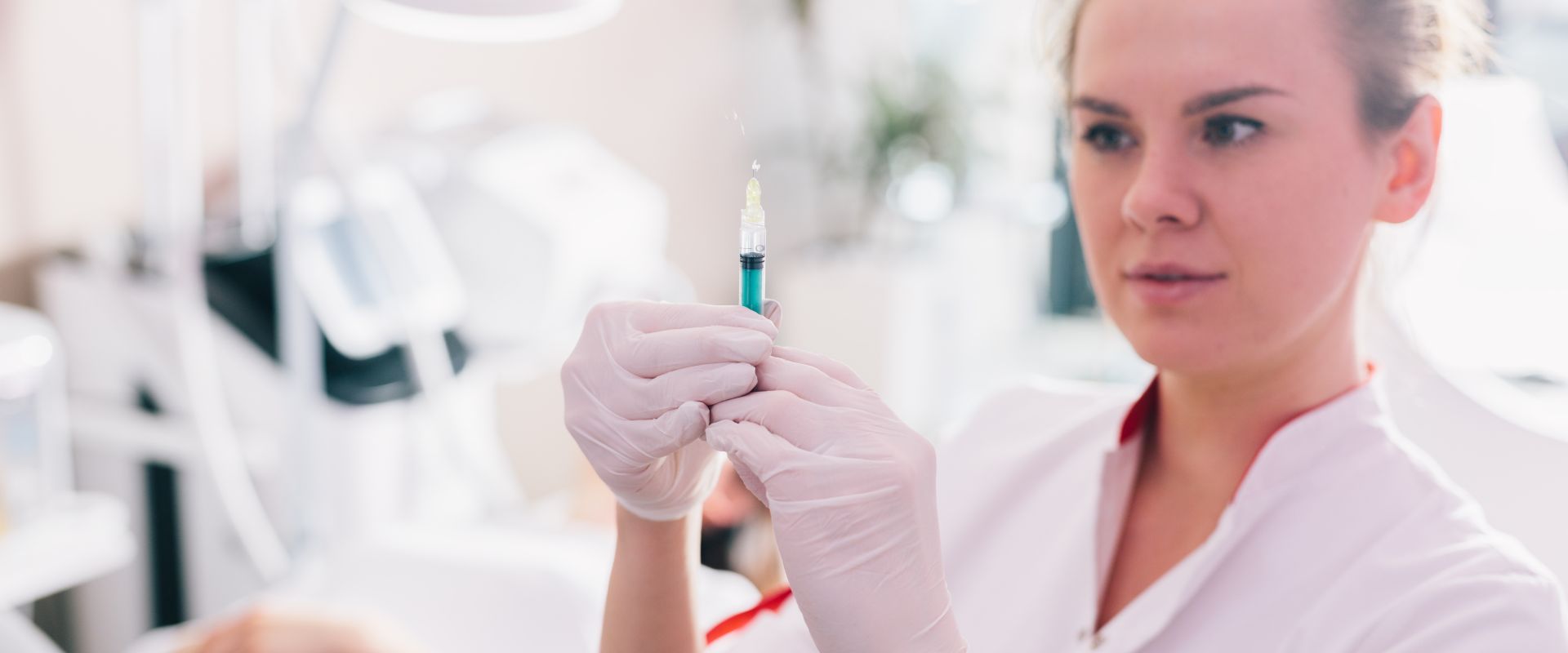
Platelet-rich plasma, commonly known as PRP, uses a preparation derived from the patient’s own blood.
Following collection and processing, the resulting plasma contains a concentration of platelets that release growth factors involved in normal tissue repair processes.
PRP has been investigated for applications including skin rejuvenation and hair restoration.
Some studies report improvements in selected skin-quality measures, although findings vary according to preparation methods, treatment protocols and patient characteristics.
Because PRP is prepared from blood, practitioners must understand aseptic technique, appropriate handling, patient suitability and relevant infection-control requirements.
Derma Institute’s PRP Training Course introduces healthcare professionals to the principles and practical considerations of platelet-rich plasma treatments.
Key takeaway: PRP offers an autologous approach to aesthetic treatment, but outcomes depend on multiple clinical factors and the evidence remains variable.
3. Skin Boosters: Supporting Hydration and Skin Quality
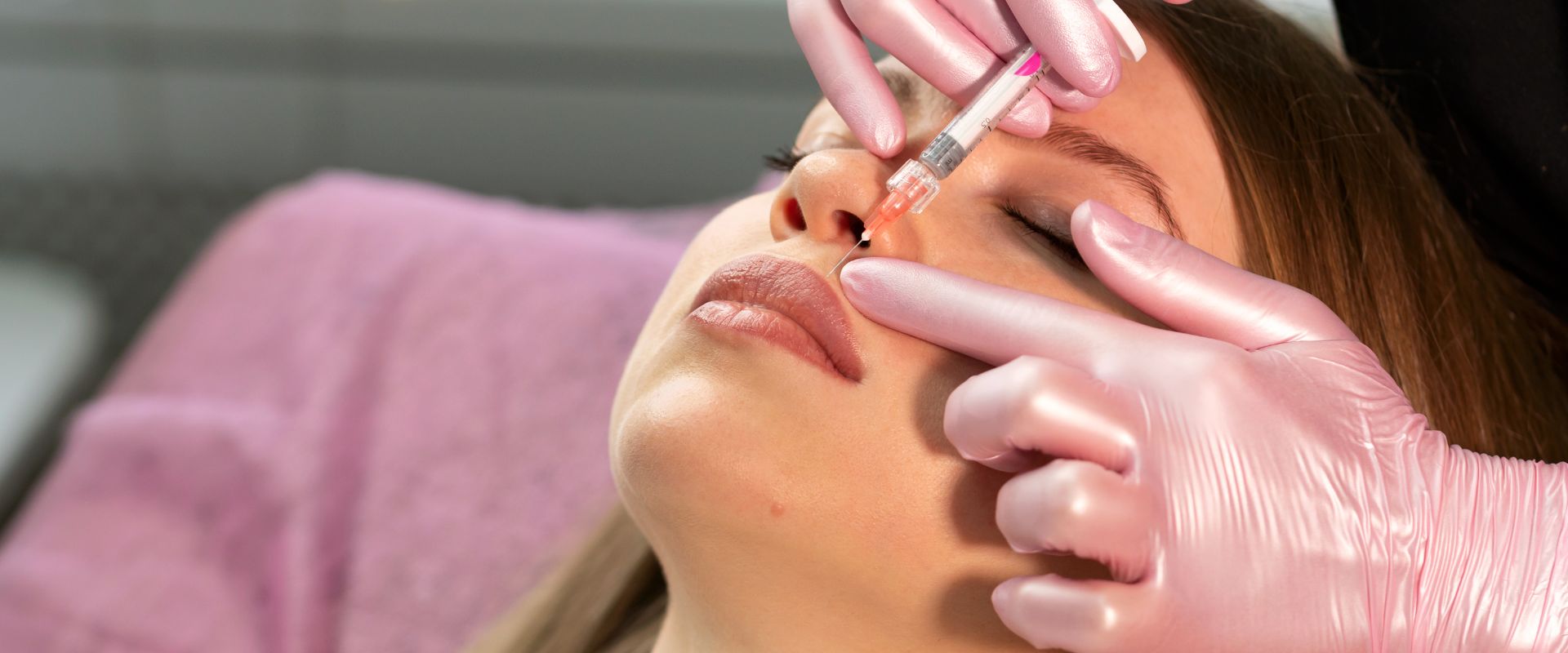
Skin boosters are another treatment category receiving attention from patients interested in improving skin hydration and texture.
Some injectable skin boosters contain hyaluronic acid, a naturally occurring molecule that helps retain water within tissues.
Unlike treatments primarily intended to create structural volume, certain skin booster formulations are designed to address aspects of skin quality.
Depending on the product and patient, treatment objectives may include improving hydration, skin smoothness and the appearance of fine lines.
However, practitioners must distinguish between different formulations, as their composition, indications, safety profiles and supporting evidence can vary.
Training should include facial anatomy, product selection, patient assessment and complication recognition.
Explore Derma Institute’s Skin Boosters Training Course for further professional education.
Key takeaway: Skin boosters may support selected skin-quality concerns, but appropriate product selection and clinical assessment remain essential.
4. Microneedling and Chemical Peels: Established Skin Rejuvenation Techniques
While newer treatments attract attention, microneedling and chemical peels remain important approaches within aesthetic skin care.
Microneedling
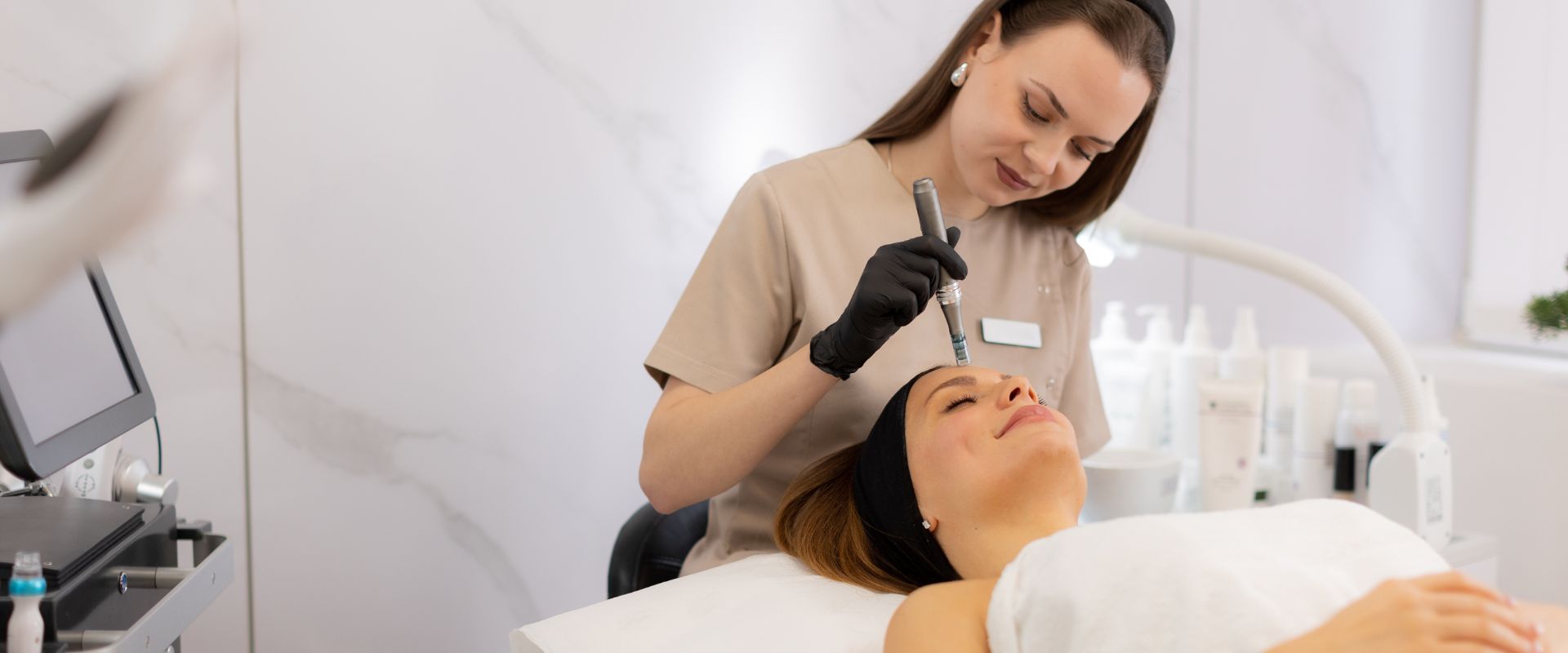
Microneedling creates controlled micro-injuries in the skin, initiating wound-healing responses associated with collagen remodelling.
It may be considered for selected concerns involving skin texture, fine lines and certain types of scarring.
Chemical Peels
Chemical peels use carefully selected formulations to promote controlled exfoliation and skin renewal.
The depth and effects of treatment depend on factors including the peeling agent, concentration, application method and individual skin characteristics.
Both procedures require appropriate assessment of skin type, pigmentation risk, contraindications and recovery requirements.
Practitioners can develop their knowledge through Derma Institute’s Microneedling & Chemical Peel Training.
Key takeaway: Microneedling and chemical peels remain valuable treatment approaches when selected and performed according to individual skin needs.
5. Biostimulators: A Focus on Collagen Support
Biostimulators are attracting professional interest because of their ability to influence tissue responses associated with collagen production.
Collagen is an important structural protein within the skin, contributing to its strength and firmness.
As skin ages, changes in collagen production and organisation can contribute to reduced elasticity and altered facial contours.
Some injectable biostimulators are designed to stimulate a gradual tissue response rather than provide only an immediate volumising effect.
However, treatment outcomes, duration and suitability depend on the specific product, anatomical area and patient.
Practitioners interested in advanced education can explore the Sculptra & Biostimulators Masterclass.
Key takeaway: Biostimulators introduce additional treatment-planning considerations, particularly around collagen response, product selection and long-term outcomes.
Which Skin Rejuvenation Treatments Are Popular in Sydney, Melbourne and Brisbane?
Patients researching aesthetic treatments in Australia’s major cities may encounter different clinic offerings, practitioner specialisms and approaches to skin rejuvenation.
In Sydney, Melbourne and Brisbane, treatment discussions can include skin hydration, pigmentation, texture, collagen support and preventative skin care.
Climate and lifestyle may also influence individual concerns. For example, ultraviolet exposure is an important consideration when assessing photoageing and pigmentation, particularly for patients who spend significant time outdoors.
However, there is insufficient verified city-level demand data to establish which treatment is the most popular in each location.
For practitioners, the priority should be understanding their local patient population and providing clinically appropriate recommendations rather than assuming that a particular treatment trend applies to every city.
Key takeaway: Local patient needs and clinical suitability matter more than unverified city-specific treatment rankings.
Which Skin Rejuvenation Treatment Delivers the Best Results?
There is no single treatment that delivers the best results for every patient.
Clinical effectiveness depends on the concern being addressed, the patient’s skin condition, the treatment mechanism and the available evidence.
For example, a patient concerned about superficial texture may require a different approach from someone experiencing significant volume loss or pigmentation.
A comprehensive consultation should consider:
- Skin type and underlying concerns
- Medical history and contraindications
- Previous aesthetic treatments
- Patient expectations
- Recovery time and treatment frequency
- Available clinical evidence
- Long-term maintenance requirements
Combining treatments may be appropriate in selected cases, but practitioners should consider potential interactions, recovery intervals and the evidence supporting combination protocols.
Key takeaway: The most effective treatment is the one supported by appropriate evidence and matched to the individual patient’s needs.
How Long Do Skin Rejuvenation Results Last?
Longevity varies considerably between treatments and individuals.
Some interventions primarily influence hydration and may require ongoing maintenance, while procedures involving tissue remodelling can produce changes that develop over a longer period.
Factors including age, skin condition, ultraviolet exposure, lifestyle and treatment protocols may influence the duration of visible improvements.
Practitioners should avoid promising permanent outcomes or presenting a single maintenance schedule as suitable for everyone.
Consistent homecare, appropriate sun protection and regular clinical reviews can support a wider skin health strategy.
Key takeaway: Treatment longevity is individual, and realistic expectations are essential for effective patient care.
What Should Practitioners Consider Before Offering New Skin Rejuvenation Treatments?
Before introducing a treatment into clinical practice, healthcare professionals should evaluate the available evidence, relevant Australian regulatory requirements and their own professional competence.
Some emerging regenerative products have limited clinical evidence or may not be authorised for the intended use in Australia.
Practitioners should verify the regulatory status of each product or device, including applicable Therapeutic Goods Administration requirements, rather than assuming that availability or overseas use establishes Australian approval.
Clinical training should also address informed consent, complication management, treatment documentation and appropriate patient follow-up.
Derma Institute’s Skin Rejuvenation Certification provides a broader learning pathway for eligible healthcare professionals interested in multiple treatment approaches.
You can also review Who We Train to explore professional eligibility.
Key takeaway: New treatment offerings should be introduced only when supported by appropriate training, regulatory compliance and sound clinical judgement.
Conclusion: The Future of Skin Rejuvenation in Australia
Interest in skin rejuvenation treatments in Australia continues to create opportunities for healthcare professionals to develop their understanding of skin health, collagen stimulation and regenerative aesthetics.
From established procedures such as microneedling and chemical peels to emerging treatments including polynucleotides, the field offers a range of approaches with different mechanisms and evidence bases.
For practitioners, staying informed means looking beyond trends and focusing on patient safety, clinical evidence and individualised treatment planning.
Ready to develop your skin rejuvenation knowledge? View our courses or talk to our team to find out more about training courses.